banner 4Trending Beauty Cosmeticsbanner 3

Ayurvedic and Herbal Cosmetics Manufacturing

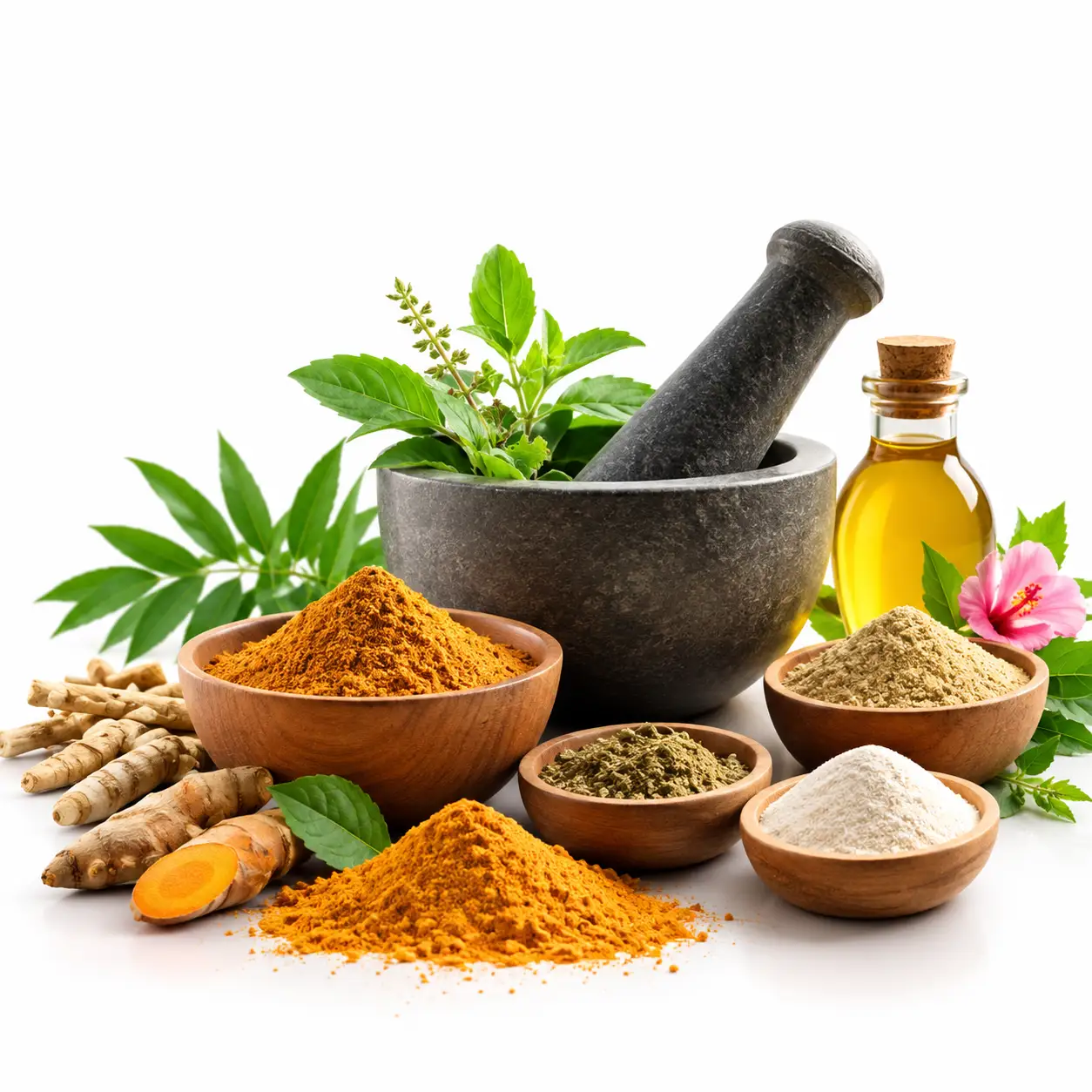
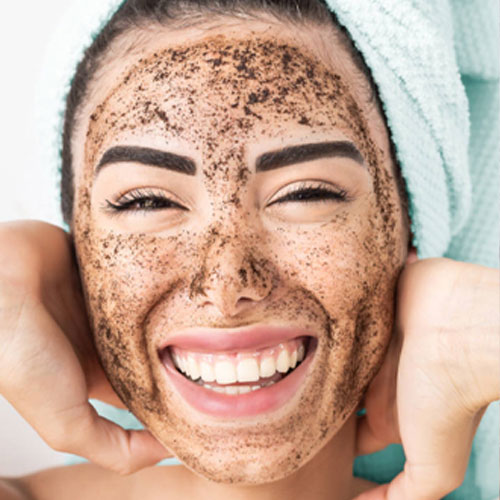
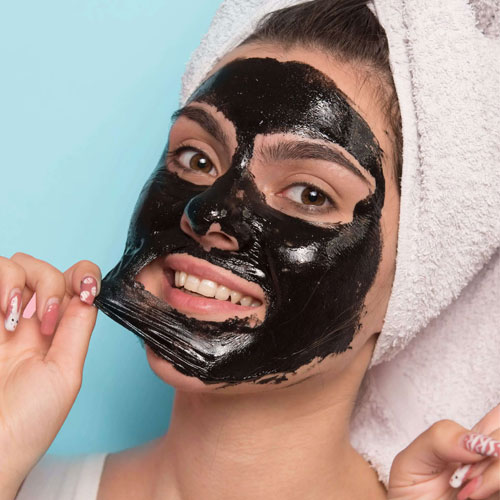
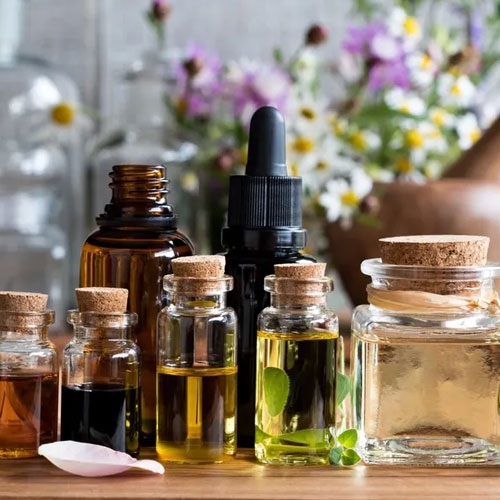
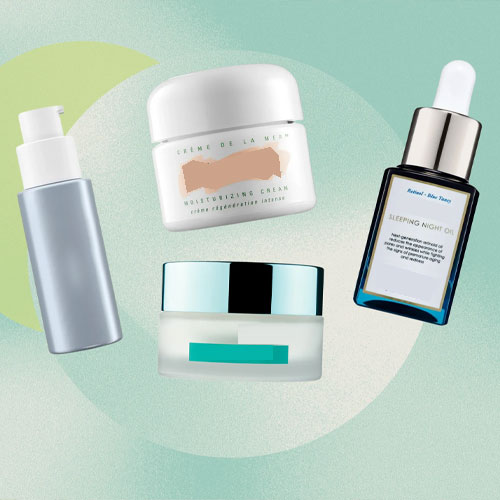
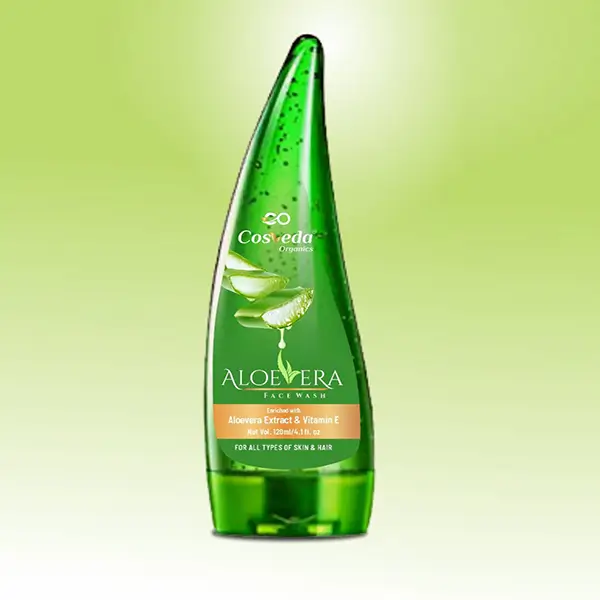
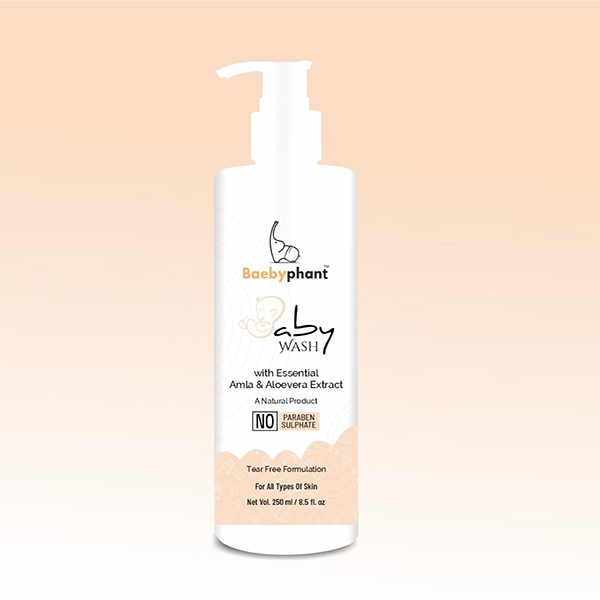
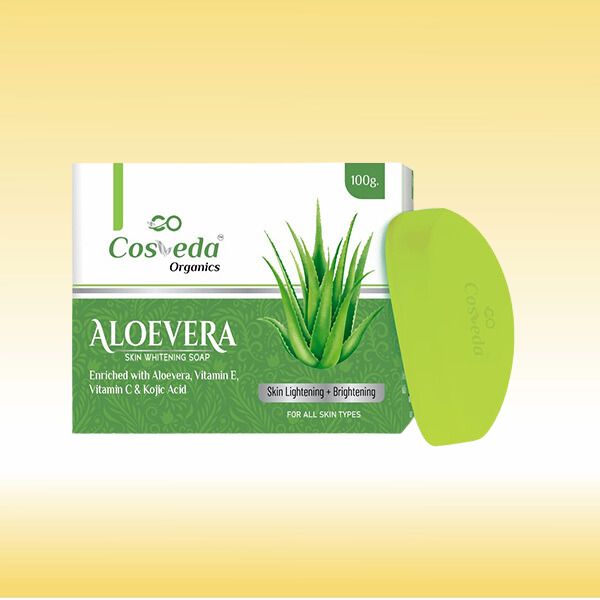
GTB Cosmetics & Soaps has 20 years of experience and skills to provide genuine Ayurvedic and Herbal Cosmetics through third parties. Our cosmetic products industry knowledge and manufacturing techniques are seen in the quality of all our products, which is the core principle of our firm. We never decrease the level of quality in our production services, and our team always gives 100% to make the top quality products. Also, our huge manufacturing plants and the new hi-tech machines enable us to produce our clients' bulk orders with the fastest making services. In our various types of ayurvedic cosmetic range, we have included face wash, oil, serum, scrub, cream, and so on. From the reliable ingredient provider to the complete, hygienic packaging, we take care of every aspect of our production. This is why today we have achieved the title of a top manufacturing company, producing an excellent quality cosmetic range and providing very affordable prices to all our cosmetic companies' clients. thus, across India, we are the only one-stop destination to provide manufacturing benefits of a superior range of Ayurvedic and Herbal Cosmetics.
Sulphate Free Silicone Free Paraben Free Dye Free Cruelty Free Natural Vegan

ROCK STONEDEODERM

Stay Strong Stay Fresh
  • Natural Ingredients: Made from mineral salts, typically potassium alum, which is a natural antibacterial agent.
  • Odor Control: Protects from Hyperpigmentation
  • No Harsh Chemical: Free from parabens, aluminum Chloralhydrate, artificial fragrances, and other harsh chemicals found in regular deodorants.
  • Long-Lasting: A single Rock Stone deodorant can last for months, sometimes even years, making it cost-effective.
  • Unscented: Most Rock deodorants are fragrance-free, making them ideal for people sensitive to strong scents.
  • Non-Staining: Leaves no white marks or yellow stains on clothing.
  • Hypoallergenic: Generally safe for sensitive skin as it does not contain common irritants.
  • Eco-Friendly: Often comes with minimal or no plastic packaging, reducing environmental impact.
  • Application Method:Needs to be moistened with water before applying to clean skin.

Best Sellers Products

The stylish and organised cosmetic products
Cosmetics manufacturing company

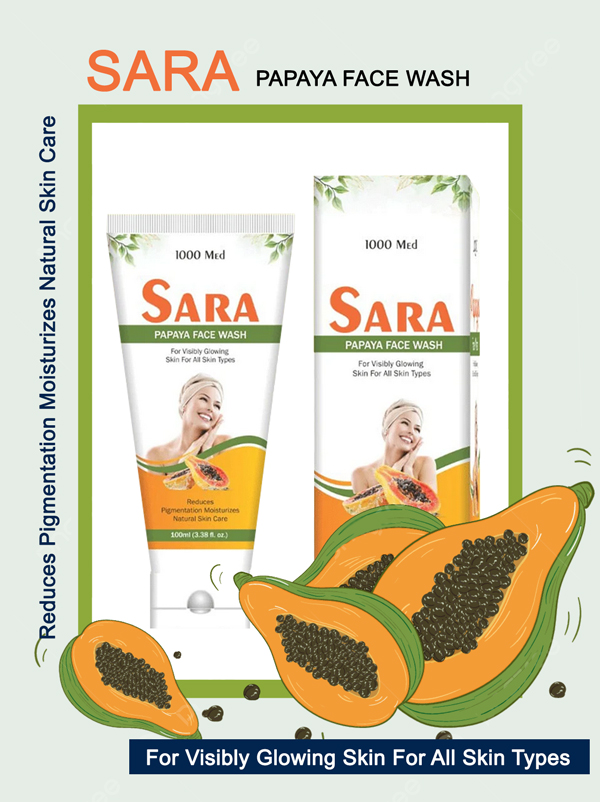
SARAPAPAYA FACE WASH

For Visibly Glowing Skin For All Skin Types

SARA Papaya face wash is a skincare product that typically contains extracts or enzymes from papaya fruit. Papaya is rich in vitamins A, C, and E, as well as enzymes like papain, which has exfoliating properties.

  • Zinc Oxide: Creates barrier & protects from UVA & UVB rays
  • Carrot seed Extract: Protects from Hyperpigmentation
  • Liquorice Extract: Reduces redness, irritation & swelling
  • Coffee Extract: Reduces wrinkles & fine lines
  • Titanium extract: Protect from Cancer causing UV Rays
  • Aloe Vera Extract: Moisturises & soothes skin irritation
  • Lavender Oil: Promotes Lightening & brightening
  • Saffron flower Extract: Provides natural radiance
  • Vitamin E:Visible signs of aging & skin damage
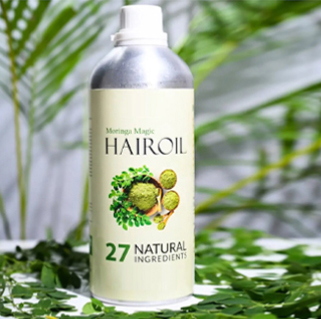
Hair Oil Manufacturer

Hair Oil

The cosmetic range of the products prepared by GTB is manufactured with a true sense of beauty.

Explore Hair Oil List
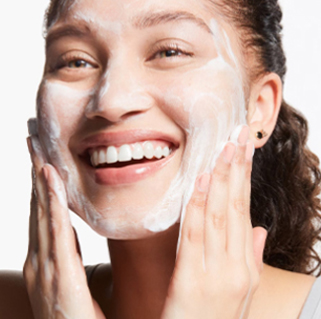
Facewash Manufacturer

Facewash

The cosmetic range of the products prepared by GTB is manufactured with a true sense of beauty.

Explore Facewash List

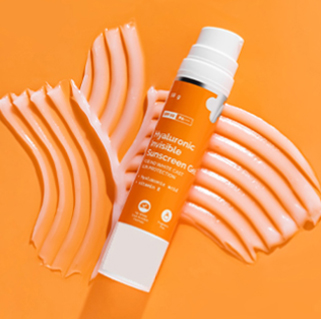
Sunscrean

The cosmetic range of the products prepared by GTB is manufactured with a true sense of beauty.

Explore Sunscrean List
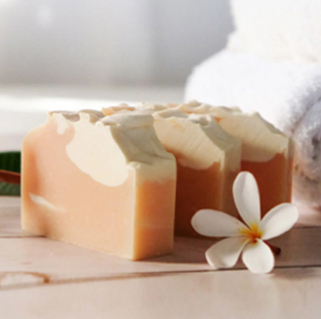
Soap Manufacturer

Soap

The cosmetic range of the products prepared by GTB is manufactured with a true sense of beauty.

Explore Soaps List
Bodycare Products Manufacturer

Customer Love

Made using clean, non-toxic ingredients,Our products are designed for everyone.

Get in Touch


    FAQ's

    A dependable manufacturer should have GMP, ISO, and AYUSH certifications. These ensure compliance with safety, quality, & regulatory standards essential for herbal and Ayurvedic product manufacturing.

    Yes, startups can easily collaborate with third party manufacturers like GTB Cosmetics, which offer low minimum order quantities and end-to-end support, ideal for new brand launches.

    Herbal cosmetics are safe, chemical-free, eco-friendly, & increasingly popular with health-conscious consumers. They offer long-term brand trust & align with global clean beauty trends.

    Yes, GTB Cosmetics provides full support for formulation development, R&D, & product customization to help brands create unique, market-ready solutions.

    Absolutely, GTB Cosmetics exports products and welcomes partnerships from international clients, offering quality manufacturing & export documentation assistance.

    GTB Cosmetics is located in Ambala Cantt Haryana, India, an established hub for cosmetic manufacturing.

    The company manufactures a variety of goods, such as oils, scrubs, lotions, shampoos, conditioners, creams, herbal face washes, & much more.

    You can start by sharing your requirements through their website or contact form. The staff will guide you through product selection, formulation, & packaging.

    With flexible MOQs, experienced R&D, private labeling, and a focus on quality, GTB Cosmetics offers startups a smooth and affordable manufacturing experience.

    News & Blogs
    How Herbal Essential Oils Manufacturers

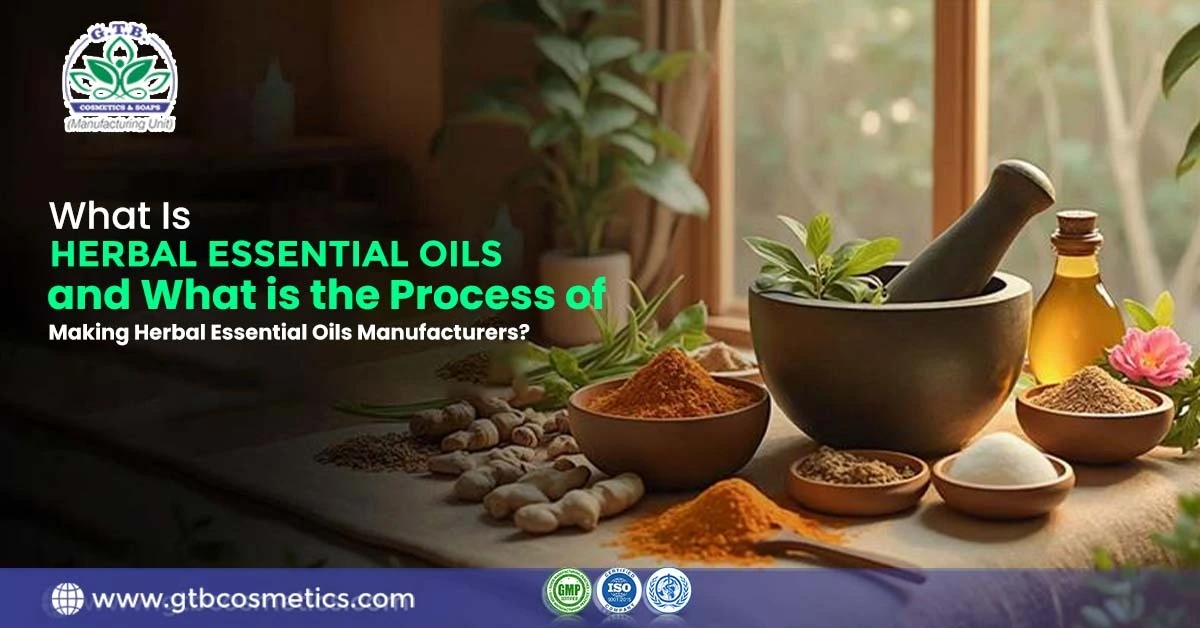
    What Are Herbal Essential Oils and How Herbal Essential Oils Manufacturers?

    Essential oils, which have a good fragrance, are extracted from plant material like leaves, flowers and roots with the help of hydrodistillation and solvent extraction methods. Essential oil manufacturing companies make pure essential oils with the help of plant material during the manufacturing process. Establishment of the modern factory will cost about 30 to 150 lakh. Besides, third-party batch production orders start from a budget of 50,000 to 2.5 lakh. By working with certified Ayurvedic essential oils manufacturers, one can be assured of pure and undiluted natural oils having antibacterial, anti-inflammatory and antioxidative properties. In addition, by working with certified Organic Essential Oils Manufacturers, one can ensure strict compliance with Ministry of AYUSH, ISO, and WHO-GMP norms. Overall, by using proper distillation and pressing techniques, herbal essential oils manufacturers can supply pure essential oils all over India. What Are Herbal Essential Oils and How Are They Manufactured? 1. Collection of Plant Raw Material A certified Ayurvedic Essential Oils Manufacturers uses wild-harvested and organic plants, including lemongrass, eucalyptus, lavender, and peppermint. Besides, quality checks are conducted for the procurement of plant raw material that is free from pesticides and soil contamination. 2. Processing of Plant Raw Material Plant raw materials are thoroughly cleaned, air-dried, and cut into small pieces to open oil glands. 3. Steam Distillation Processing High-pressure steam is passed through the sealed plants kept inside the heavy-gauge steel distillation stills. Heat energy breaks down the botanical plants and releases volatile oils without burning any plant component. 4. Condensation and Phase Separation The vapor & plant oils in the mixture pass through water-cooled condenser tubes, which cause them to change to the liquid state because of density variations. Thus, natural light essential oils separate and float at the surface of floral water inside the separation flasks. 5. Filtration and Quality Testing Essential oils are subjected to high-speed centrifugation and fine filtration to remove any moisture present in them. Reliable herbal essential oils manufacturers perform Gas Chromatography Mass Spectrometry (GC-MS) analysis on them before bottling. Which Herbs and Plant Materials Are Used for Essential Oil Production? Fresh peppermint leaves are employed in extracting menthol oils. The tea tree leaves contain the strong antimicrobial substance terpinen-4-ol. The lemon and orange peels are processed to extract oils rich in limonene through the process of cold pressing without the use of any heat. The eucalyptus leaves are extracted to produce oils called eucalyptol, which pharmaceutical industries use for decongestants. The Ayurvedic essential oils manufacturers distill the extracts of pure sesame, bhringraj, and tulsi. Furthermore, the rose petals, jasmine flowers & sandalwood roots are processed by top-quality herbal essential oils manufacturers to produce valuable volatile aromatic oils used in luxury cosmetics. What Are the Main Methods Used to Manufacture Herbal Essential Oils? Extraction Process Technical Procedure and Suitable Plant Materials Used Commercial Scale / Processing Cost Steam Distillation High-pressure steam distills the aromatic oils from the leaves, stems, and barks. ₹15–40 lakh per unit Cold Pressing (Expression) A mechanical press extracts oil glands from citrus peels without heating. ₹8–20 lakh machinery cost Solvent Extraction Food-grade hexane solvent extracts flower absolutes such as jasmine and rose petals. ₹25–60 lakh extraction plant Supercritical CO₂ Extraction Liquid CO₂ extracts heat-sensitive botanical materials without leaving solvent residues. ₹50 lakh–₹1.2 crore advanced plant setup Contract Manufacturing Third-party contract manufacturer using certified organic essential oils and manufacturing facilities. ₹50,000–₹2.5 lakh per batch order Visit: 16,17,18,19 Nh-1, near Pratap Factory, Mohra, Ambala Cantt, Haryana 133004 How Do Herbal Essential Oil Manufacturers Ensure Quality While Manufacturing? 1. GC-MS Chemical Analysis Reputed Herbal Essential Oils Manufacturers conduct the GC-MS analysis of every batch of herbal oil products manufactured by them using the Gas Chromatography Mass Spectrometry technique. This process tests the chemical profile and identifies any synthetic or carrier oil dilution. 2. Testing of Physical Properties Testing of the physical properties, such as specific gravity, refractive index, and optical rotation, will be performed in the laboratory following pharmacopeial guidelines. This method avoids contamination by microorganisms and, at the same time, maintains the aroma for two years. 3. Automated Hygienic Filling The fluids that have been processed undergo an automated filling process in the sterile environment of the clean room. This allows avoiding exposure to the volatile substances during the bottling process. 4. UV Protection Amber Containers Further, reputable manufacturers of herbal essential oils use amber glass bottles or aluminum drums for packaging of the final product. Protection from light is necessary for the avoidance of ultraviolet photo-oxidation and maintain aromatic terpenes. 5. Temperature Controlled Storage The bulk oil stock is stored inside the climate-controlled facilities maintained at 15°C to 20°C. Stable temperatures prevent any degradation and preserve product quality uniformly for market distribution. The Bottom Line Manufacturing pure herbal essential oils needs precise botanical sourcing, advanced steam distillation & strict GC-MS testing. By partnering with certified herbal essential oils manufacturers, one can eliminate the huge infrastructure cost while obtaining 100 percent natural and AYUSH-approved aromatic oils. The leaders of this industry, like GTB Cosmetics, offer state-of-the-art extraction lines, custom formulation service and flexible private labeling service. An initial investment of 50,000 to 2.5 lakh in third-party manufacturing enables beauty, wellness, and pharmaceutical companies to launch their pure essential oil lines. Frequently Asked Questions Q1. What is the difference between steam distillation and cold pressing? Ans. We utilize the process of steam distillation, using heat and vapor to distill out the volatile oils from the leaves. However, mechanical methods involve squeezing out the citrus peels without any use of heat by cold pressing. Q2. What are the certificates required for producers of essential oils in India? Ans. The producer needs to have a Ministry of AYUSH manufacturing certificate, a WHO-GMP certificate, ISO 9001:2015, and GST registration. Q3. Why do producers package essential oils in dark amber glass bottles? Ans. Dark amber glass keeps away the UV light rays, which would otherwise chemically oxidize the volatile aromatic terpenes during prolonged storage periods. Q4. How much of the plants would be needed for one kilogram of essential oils? Ans. The amount of plants needed would differ from crop to crop. For instance, we would require 150kg of lavender, 250kg of peppermint, and 4,000 kg of rose petals for 1 kg of oil. Q5. What is the standard shelf life of pure herbal essential oils? Ans. When stored in light-protected glass bottles below 20°C, most pure essential oils maintain chemical stability for 24 to 36 months. Q6. Can people apply essential oils directly on the human skin without dilution? Ans. However, no, you have to dilute these concentrated essential oils with carrier oils such as jojoba or almond oil to avoid skin irritation and sensitization. Q7. How can GC-MS testing verify the purity of essential oils? Ans. Using GC-MS testing allows researchers to separate individual chemical molecules from each other. This will determine accurate percentage levels of active constituents as well as the possible presence of artificial chemicals in the formula. Q8. How much is the investment needed for third party essential oil manufacturing? Ans. An initial investment required for contract manufacturing ranges from 50,000 to 2.5 lakh. Q9. Why do manufacturers use supercritical CO₂ extraction for flowers? Ans. Supercritical CO₂ extraction works at low-temperature conditions, without the use of organic solvents & extracts heat-sensitive plant ingredients with no residual chemicals left after the process. Q10. Which carrier oils do cosmetic companies use to blend with essential oils? Ans. Cosmetic product manufacturers typically combine essential oils with cold-pressed jojoba, sweet almond, coconut, argan, and sesame carrier oils.
    How Organic Capsules Manufacturers

    How Organic Capsules Manufacturers Support Clean-Label and Natural Product Brands?

    Healthcare product consumers increasingly demand clean labels, natural plant components and eco-friendly packaging for supplements. Organic Capsules Manufacturers give a helping hand to such brands, providing non-GMO and allergen-free capsule shells, including pullulan and plant cellulose (HPMC). In addition, contract-certified companies comply with all regulatory requirements, provide organic supply chain audits & conduct WHO-GMP quality control. Thus, brands of natural products can increase their production without increasing operating costs. Here you can find a guide on setting up contracts, pricing & the right way of launching clean-label capsules into the market. How Organic Capsules Manufacturers Help Clean-Label Brands Sourcing of Non-GMO Ingredients Cooperation with certified Ayurvedic Capsules Manufacturers guarantees full supply chain verification. The supplier sources the herbs directly from audited organic farms. As a result, all finished capsules are 100% free of synthetic pesticides, heavy metals & chemical residue. Removing Synthetic Excipients Clean-label buyers never tolerate chemical binders, synthetic glidants and artificial fillers. For that reason, specialists of special facilities substitute magnesium stearate with natural organic rice hulls. Formulation of Vegetarian Shells Modern production facilities manufacture capsules with premium HPMC and pullulan shells obtained from tapioca. Such vegetable capsules easily dissolve in the stomach, protecting sensitive herbs from humidity. Consequently, your line of products will perfectly match the requirements of vegan, vegetarian and religious diets. Implementation of Rigorous Testing Top-quality contract manufacturers perform strict microbiological, heavy metals and stability testing of each batch. Testing of chemical purity before product distribution allows you to create brand loyalty. Blending of Formula Components Every brand of natural product needs a unique formulation balance to be successful in a tough health market. Experienced partners help with the formulation of your botanical blends, extract standardization & precise filling. As a result, you receive a market-ready line of capsules. How Organic Capsules Manufacturers Can Meet Natural Brand Requirements Modern supplement buyers study product labels carefully before placing orders. Thus, natural wellness brands need total manufacturing transparency to protect their market trust. Cooperation with dedicated Ayurvedic capsules manufacturers allows the brands to comply with clean-label requirements and to scale production. 100% vegetarian, non-GMO and gelatin-free capsule shells preserve formula integrity. Total absence of artificial colors, preservatives & chemical additives guarantees consumers' trust. Traceability from organic herbs sourced from the farm to finished bottles increases loyalty. Manufacturing of the products according to WHO-GMP, ISO and AYUSH quality standards guarantees batch safety. Low batch minimums allow the brands to test markets without taking financial risks. How Organic Capsules Manufacturers Can Keep Clean Standards Choosing specialized Herbal Capsules Manufacturers allows brands to have excellent cost control alongside high-quality products. Below is an approximate cost and operational breakdown for manufacturing clean-label capsules. Production Parameter Estimated Cost / Unit (INR) Feature of Clean-Label Brand Business Advantage Vegetarian Shell (HPMC) ₹0.30 to ₹0.60 per shell 100% Plant-Based & Allergen-Free Attraction of Vegan & Health Buyers Pullulan Shell Sourcing ₹0.70 to ₹1.20 per shell Tapioca Fermented & Oxygen Barrier Premium Protection for Active Herbs Natural Excipient Blending ₹0.15 to ₹0.35 per dose Organic Rice Hull / Fiber Fillers Replacement of Chemical Binders on Label Filling & Batch Packaging ₹0.40 to ₹0.85 per capsule Controlled Humidity Clean Room Maintenance of Stability & Botanical Potency Third-Party Lab Testing ₹15,000 to ₹35,000 per batch Heavy Metal & Pesticide Testing Verification of Quality Reports Visit: 16,17,18,19 Nh-1, near Pratap Factory, Mohra, Ambala Cantt, Haryana 133004 How GTB Cosmetics Helps Natural Product Brands State-of-the-Art Certified Facilities Products are manufacturered in modern, certified production units equipped with automated capsule machines. In addition, our clean rooms strictly comply with WHO-GMP and ISO standards. Thus, every batch meets high quality standards. Professional Formulations of Ayurvedic Products Having great expertise in traditional wellness products, we differs from other Ayurvedic capsules manufacturers. Our R&D team standardizes pure extracts, providing the highest biological activity. Thus, your brand offers authentic and very effective remedies. Transparent Sourcing of Ingredients We has a fully verified supply chain providing pure and unadulterated botanicals. We completely eliminate artificial binders and chemical additives from the process of production. Thus, you can make clean-label claims. Custom Private Labeling We provide professional private labeling services. Our specialists take care of the execution of packaging, from eco-friendly outer boxes to moisture-resistant amber bottles. Thus, you can put your products to market immediately. Cost-Effective Bulk Output Being experienced in herbal capsules manufacturers networks and production streams, we optimizes production runs, guaranteeing affordable unit prices. Our robust supply chain guarantees rapid delivery of domestic orders. Thus, your brand will maintain steady inventory levels. Conclusion Cooperation with professional organic capsules manufacturers allows natural supplement brands to meet the toughest clean-label standards. Using non-GMO vegetarian shells, eliminating synthetic fillers & performing rigorous quality testing, organic capsule manufacturers help brands provide pure products to consumers. GTB Cosmetics provides high-capacity, WHO-GMP-certified contract manufacturing of Ayurvedic and herbal capsules with affordable unit prices and complete compliance with quality standards. Frequently Asked Questions Q1. What is the nature of organic capsule shells? Ans. The organic capsule shells contain natural plant polymers such as HPMC or pullulan, with no artificial dyes, chemical preservatives or gelatin. Q2. What is the difference between the vegetarian and gelatin capsules? Ans. The vegetarian capsules are made of plant cellulose or tapioca starch, while gelatin uses animal byproducts. The plant capsules offer better moisture stability. Q3. Are chemical fillers required during capsule filling? Ans. No, it is not necessary. The facilities use natural substitutes such as organic rice concentrate for safe and smooth machine filling. Q4. What certifications should manufacturers have? Ans. Professional manufacturers have to have WHO-GMP, ISO, and the state regulatory certifications guaranteeing product purity and high quality standards of manufacturing. Q5. How do the manufacturers prevent cross-contamination? Ans. The facilities use positive-pressure clean rooms, separate air handling units & automatic cleaning procedures between the different botanical production runs. Q6. What is the shelf life of the plant capsules? Ans. The plant capsules stored inside protective amber bottles under ambient conditions keep full potency and integrity for 24-36 months. Q7. Can the custom herbal formulas be packaged? Ans. Yes, contract manufacturers can encapsulate single botanical powders, standardized plant extracts & multi-herb Ayurvedic formulas in the vegetable shells. Q8. What is the average minimum order quantity? Ans. Minimum order quantities vary from 50,000 to 100,000 capsules per batch. Q9. How are heavy metals and pesticides analyzed? Ans. The contract labs perform sophisticated tests like ICP-MS on the botanical extracts to confirm they are safe before going into the process of encapsulation. Q10. Why GTB Cosmetics for the manufacturing of capsules? Ans. We provide excellent knowledge of Ayurveda, certified clean room facilities, low cost per unit, and quick production.

    How to Select Best Ayurvedic Soap Manufacturer

    How to Choose the Right Ayurvedic Soaps Manufacturer in India?

    The decision of a suitable manufacturer should consider WHO-GMP certifications, purity of ingredients, production volume and cost efficiency. Ayurvedic Soaps Manufacturers provide reliable quality control of herbal ingredients and also offer flexible third-party manufacturing services from ₹1.5 lakh to ₹5 lakh. In addition, best-in-class producers provide custom formulations, eco-packaging solutions and certification documentation for an easy market introduction. In this way, firms get high uniformity in their products and minimize initial costs. Discussion about the competency of the herbal soaps manufacturers, minimum order quantity, and delivery schedule guarantees the success of the brand. In the end, cooperation with seasoned producers builds customer confidence and profitability. What Criteria Must You Analyze Prior to Choosing an Ayurvedic Soap Manufacturer? Certifications and Compliance Top Ayurvedic soaps manufacturers should have valid AYUSH manufacturing approvals, WHO-GMP, and ISO licenses. Hence, checking the validity of these certifications will save you from any penalties and regulatory issues. Authenticity of Herbs in Formula Quality Organic Soaps Manufacturers use only pure natural herbal extracts and essential oils, not synthetics. Therefore, herbal formulation ensures higher efficacy and retains a natural fragrance. Minimum Order Quantity Reputable manufacturing facilities offer reasonable batch limits starting from 2,500 units in case of a new company. Thus, businesses can start production of new lines with moderate investments. Customized Packaging Solutions Experienced producers provide various options of packaging such as eco-friendly boxes and protective wraps. Also, labeling helps to make the brand more recognizable. Supply Chain and Deliveries Timelines The best-in-class organic soaps manufacturers provide effective production processes that allow shipping products within 15 to 20 days. Hence, an efficient supply chain avoids stockouts of retail stock. How Do Manufacturing Standards and Product Quality Affect Ayurvedic Soap Selection? Parameter Basic Standard Commercial Soap Manufacturing Premium Herbal Soap Manufacturing Impact on Business Growth Base Composition Uses synthetics, detergents, and animal fat Uses pure vegetable oils like coconut and neem Provides gentle cleansing and repeated purchase Regulations Basic state commercial license AYUSH, WHO-GMP, and ISO 9001:2015 approved Creates trust from the very beginning and export capability Batch Testing Sample testing of the final batch Laboratory testing of active ingredients Guarantees consistent batches and durability Cost Structure From ₹12 to ₹18 per 100g unit From ₹22 to ₹45 per 100g premium unit Generates 40% to 60% higher retail margin Which Ayurvedic Soap Formulations and Ingredients Must You Evaluate? Choosing a proper herb base allows ensuring proper skin care and high satisfaction of customers. Renowned Herbal Soaps Manufacturers provide a wide range of classic cold-processed and grade one soap formulations according to the target market needs. Neem and Tulsi formulations offer natural antibacterial protection for skin prone to acne. Kumkumadi and saffron formulas provide a skin-brightening effect for a luxurious line of products. Aloe vera and glycerine formulations allow deep skin hydration for sensitive and dry skin types. Charcoal and tea tree oil soaps give a deep cleansing effect for the urban wellness target group. Sandalwood and turmeric bars nourish skin with a traditional therapeutic aroma. Evaluation of the percentage of active ingredients ensures high efficacy and demand in the market. In addition, cooperating with experienced Ayurvedic soaps manufacturers enables businesses to create unique chemical-free products. How Could You Compare Production Capacity, Packaging and Supply Logistics? High-Capacity Production Facility Infrastructure Reputable Ayurvedic soaps manufacturers operate high-volume machinery able to produce up to 50,000 units per day. Therefore, the strong infrastructure easily copes with growing orders from regional and national distributors. Eco-Friendly Packing Materials Today's customers prefer using biodegradable box packing, outer cartons, and non-plastic packing papers. Thus, eco-packing improves positioning and reduces the environmental footprint. Efficient Cost-Effectiveness through Bulk Purchasing Production of bulk batches reduces the cost per unit to ₹20 to ₹35 for premium 100g bars. Moreover, the clear structure of prices allows businesses to keep high profit margins. Development and Custom Samples Service The best production partners provide the service of creating custom formulas starting from ₹2,500 per sample. Therefore, owners of a brand can test texture, lather, and fragrance before mass production. Full Certification and Compliance Documentation Trustworthy Ayurvedic soaps manufacturers supply all necessary COA reports, safety data sheets, and batch records. Thus, the provided documentation allows launching and supporting the product on the market. The Bottom Line Choosing the right partner includes careful analysis of certifications, ingredient quality, production volume, and price structure. Leading Ayurvedic soaps manufacturers provide the full set of services that allow launching quality products with minimum investments. Cooperating with GTB Cosmetics guarantees access to WHO-GMP certified facilities, authentic AYUSH formulations, flexible MOQs, and attractive packaging solutions. Focusing on authentic herbs and their quality control allows brands to occupy leadership positions in the booming Ayurvedic market. Frequently Asked Questions Q1. What is the required investment in third-party manufacturing of Ayurvedic soaps in India? Ans. Starting third-party manufacturing normally requires an initial investment of ₹1.5 lakh to ₹3 lakh. Q2. What should a reliable producer of herbal soaps have? Ans. A reliable producer must have AYUSH approval, WHO-GMP certification, ISO compliance & FDA licensing to ensure full safety. Q3. How does cold-processed Ayurvedic soap differ from common commercial soaps? Ans. The cold-processed soap preserves natural botanical nutrients and glycerine, while the commercial soap removes glycerine and uses a synthetic base. Q4. Could you receive custom formulations of herbal soaps? Ans. Yes, private-label manufacturers provide services of customization of herbs, fragrance, texture, and coloring of the soap. Q5. What is the average production time for custom Ayurvedic soaps? Ans. It takes 20 to 30 days for custom orders because of design creation and 12 to 15 days for repeat batches. Q6. What are the ingredients of the high-quality Ayurvedic soaps? Ans. High-quality bars include coconut oil, herbs, essential oils, and natural butter. Moreover, they are free of harsh parabens and sulfates. Q7. Are there services of custom packaging design among third-party services for Ayurvedic soap manufacturing? Ans. Yes, manufacturers provide full packaging services, including box design, material selection, private labeling, and eco-friendly wrapping. Q8. How does TFM (Total Fatty Matter) affect the quality of Ayurvedic soaps? Ans. More TFM results in increased moisturizing & mild cleansing. Quality Ayurvedic soap is made with more than 76% TFM.

    Ayurvedic Makeup Fixer Spray Manufacturer

    Organic vs Herbal vs Ayurvedic Makeup Fixer Spray Manufacturers: What Is the Difference

    Choosing a correct production partner for clean beauty requires thorough insight into different categories of botanical formulation. Many new beauty companies tend to discover how plant-based sprays differ from chemical ones. For instance, an Ayurvedic Makeup Fixer Spray Manufacturer develops formulas based on ancient sacred texts and traditional botanical ratios. Such particular mists apply the technology of traditional decoction and help keep cosmetics fixed in place and provide deep nourishment for the dermis. Contemporary businesses can manufacture popular products, investing approximately ₹1 lakh to ₹5 lakh for initial batch production. The preferences of customers change rapidly in favor of chemical-free formulations. This tendency concerns major metropolitan retail centers. Hence, selecting an experienced herbal makeup fixer spray manufacturer becomes the key to regulatory compliance and consumer satisfaction. Brands can scale their operations with ease when they understand the above-discussed formulation categories. What Is an Ayurvedic Makeup Fixer Spray Manufacturer? In Ayurvedic Cosmetics Manufacturing Company an Ayurvedic makeup fixer spray manufacturer deals with the development of traditional skin-setting mists enriched with classical Vedic herbs. Such particular manufacturing units blend the technology of contemporary cosmetics and ancient botanical science to produce long-lasting wear. Production units develop formulas according to sacred texts to create chemical-free setting mists. Factories use such particular classical herbs as neem, rose, and tulsi in liquid bases. Factories strictly adhere to classical techniques of decoction and extraction. Regulatory authorities impose certain Ayush Ministry standard certificates for safe cosmetics. Hence, companies can purchase such items investing about ₹25,000 for standard trial runs. An Ayurvedic makeup fixer spray manufacturer produces stable cosmetic mists from raw plant extracts. Such particular production units carefully balance natural oils and floral waters in order to stop makeup from smudging throughout the day. Also, experienced formulators test each batch of a product in a laboratory environment in order to provide optimal shelf life. Therefore, eco-friendly brands tend to choose such traditional production units for their products. How Are Herbal Makeup Fixer Spray Manufacturers Different from Ayurvedic Manufacturers? Feature Comparison: Feature Herbal Production Partner Ayurvedic Production Partner Basic Formulation Basis General plant extracts and contemporary botanical science Classical texts, dosha balance, and Vedic compositions Regulatory Framework Ordinary licenses for cosmetic production and general manufacturing standards Strict AYUSH standards and traditional pharmacopeia standards Primary Focus of Ingredients Various herbs, essential oils, and common leaf extracts Specific root combinations, traditional oils, and sacred flora Average Investment for Startup Approximately ranges near ₹2 lakh for initial batches Approximately starts around ₹1 lakh to ₹3 lakh Major Market Appeal Everyday natural consumers and green beauty lovers Holistic wellness seekers and traditional skincare consumers What Features Make Organic Makeup Fixer Spray Manufacturers More Suitable for Clean Beauty? Certified Quality Standards Without Chemical Pesticides An Organic Makeup Fixer Spray Manufacturer uses ingredients that are grown without the use of synthetic fertilizers and chemicals. Therefore, brands can benefit from it as modern consumers demand more and more clean labels and transparent sourcing procedures. Thus, bulk orders for such items require an investment of approximately ₹50,000, depending on the complexity of a particular formulation. Thus, clean brands gain consumer trust and better positioning in retail stores quickly. Advanced Green Extraction Technology Production units apply cold-press technologies in order to preserve active nutrients in botanical elements. Companies avoid high temperature processing in order not to damage active antioxidants in the spray. Investing approximately ₹3.5 lakh will help newly emerging enterprises to acquire custom green packaging solutions. Consequently, such particular finished setting sprays will provide excellent hydration and cosmetic hold. Strict Eco-friendly Supply Chain Protocols Organic makeup fixer spray manufacturers make sure that every stage of manufacturing is eco-friendly. Facilities use biodegradable containers and cruelty-free testing methods in order to satisfy contemporary regulations. Emerging enterprises need to spend approximately ₹2 lakh on eco-friendly packaging and raw materials. Therefore, companies acquire eco-friendly consumers easily on competitive digital marketplaces. Enhanced Skin Friendly Nature and No Irritation Organic formulation eliminates all sorts of harmful additives, such as parabens, artificial dyes, and strong synthetic alcohols. Consumers will never experience suffocation of their skin and clogged pores as a result of wearing this sort of product all day long. Developing a special formula for sensitive skin will cost enterprises approximately ₹1.8 lakh initially. Thus, the repeat purchase rate will be higher among consumers, who have such a particular skin type. Superior Access to Global Markets and Export Readiness Collaboration with certified organic producers helps to reduce compliance challenges and export difficulties. Such particular global distributors prefer brands with transparent chemical-free manufacturing processes and safety certificates. Therefore, getting export certificates will require an enterprise to invest approximately ₹4 lakh. Eventually, such brands will get global retailers' attention quicker with the help of certified organic production through a reliable Natural Makeup Fixer Spray Manufacturer . Why GTB Cosmetics Can Be a Trusted Partner for Ayurvedic, Herbal and Organic Makeup Fixer Spray Manufacturers GTB Cosmetics became the best industry leader for third-party manufacturing and private label manufacturing needs. They are one of the trusted natural makeup fixer spray manufacturer & possess many years of experience combined with advanced technology manufacturing infrastructure. Brand provides comprehensive third-party manufacturing services with flexible minimum order quantities. Advanced R&D labs guarantee high performance of cosmetic spray formulations. Strict quality control protocols guarantee safe, skin-friendly and compliant cosmetic output. Eco-friendly packaging solutions guarantee compliance with brands' objectives easily. Experts offer assistance from start to finish of the development process of a product. GTB Cosmetics manufactures products in production plants capable of handling commercial orders. A trusted organic makeup fixer spray manufacturer, such as GTB, guarantees complete transparency of ingredients and laboratory testing. Besides, an established Herbal Makeup Fixer Spray Manufacturer utilizes advanced green technologies to enhance the effectiveness of its products. Enterprises can launch their custom products with the help of GTB Cosmetics easily at affordable prices. The Bottom Line Differentiation of various categories of botanical formulations will bring success to brands. Thus, an Ayurvedic makeup fixer spray manufacturer has a deep traditional background and herbal or organic manufacturing partners fit modern requirements of clean beauty. The collaboration with such industry leaders as GTB Cosmetics will guarantee exceptional product quality, brand compliance and growth. Brands that invest in verified botanical formulas will attract consumer attention and receive top search rankings easily. Frequently Asked Questions Q1. What Is a Minimum Order Quantity When Choosing an Ayurvedic Makeup Fixer Spray Manufacturer? Ans. Most contract manufacturing facilities require a minimum order quantity equal to 500 to 1,000 units per batch for custom private label liquid cosmetic formulation. Q2. How Do Regulatory Requirements of Organic Manufacturing Facility Differ From Traditional Ones? Ans. The facility must maintain agricultural sourcing audits, chemical-free processing verification, and green certification beside basic manufacturing licenses. Q3. What Is the Lead Time Required by Herbal Makeup Fixer Spray Manufacturing? Ans. It will take from 3 to 6 weeks for production and packaging due to custom formula adjustments, bottle acquisition, and laboratory tests. Q4. Could Traditional Manufacturers Provide Customized Packaging Solutions for New Beauty Start-Ups? Ans. Contract manufacturing provides complete packaging services with eco-friendly bottles, custom labels, and testing pump sprayers for a commercially ready solution. Q5. Herbal Setting Sprays Help Not to Let Makeup Melt in Hot Summer, Right? Ans. Yes, such particular formulations contain film-forming agents derived from plant gums and floral waters that create a breathable mesh and fix pigment particles tightly. Q6. What Kind of Certificates Are Required for Third-Party Cosmetic Production Units in India for International Export Compliance? Ans. The best manufacturers possess GMP and ISO certificates to provide seamless documentation for beauty exports to international markets. Q7. What Kind of Active Ingredients Are Usually Applied by Manufacturers of Herbal Makeup Fixer Sprays? Ans. Formulators use, for example, cucumber extract, green tea water, chamomile distillate, and rose hydrosol to moisturize the skin daily. Q8. Why is Stability Testing of Formulations of Cosmetics Crucial Before Launching a Commercial Batch? Ans. It is important to test the stability in order to exclude separation, spoilage & loss of efficacy in case of exposure to fluctuating temperatures in the shipment process.

    Call Us

    WhatsApp

    Send Enquiry